
How Dental Implants Help Prevent Jawbone Loss After Tooth Loss
Tooth loss affects chewing function and the health of the supporting jawbone. When a tooth is lost, the underlying jawbone no longer receives the stimulation needed to maintain its structure. The absence of regular stimulation can result in gradual bone loss, along with changes to facial contours and alignment of surrounding teeth.
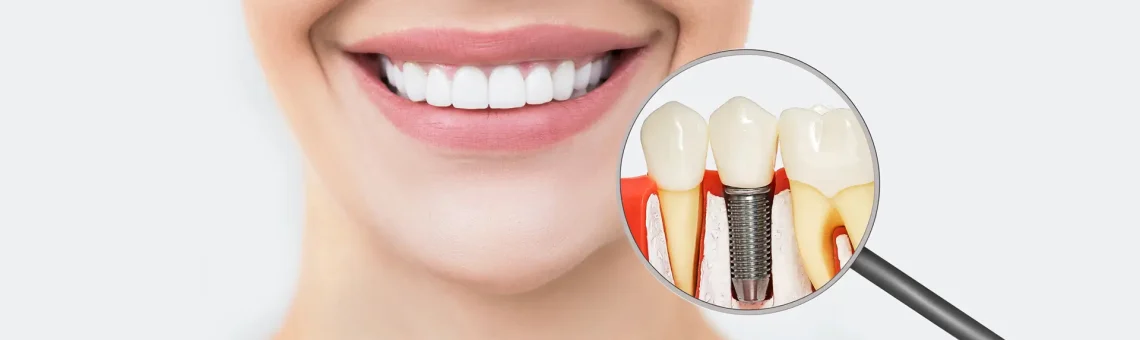
Dental implants function as both a tooth and root replacement, helping transfer chewing forces into the jawbone.
Why Jawbone Loss Occurs After Tooth Loss
The jawbone depends on regular stimulation from chewing and biting forces transmitted through tooth roots. When a tooth is removed or lost, stimulation to the surrounding jawbone stops in the affected area. Continued lack of stimulation allows bone loss to progress over time
Bone resorption can begin within the first few months after tooth loss and may progress if the area remains untreated.
How Dental Implants Mimic Natural Tooth Roots
Implants are positioned within the jawbone to replace tooth roots and gradually fuse with the bone during healing.
This connection allows implants to engage the jawbone during normal function.
The Role of Bone Stimulation in Oral Health
Consistent bone stimulation helps maintain jawbone volume and structural support. When implants replace missing teeth, they help preserve bone contours and support surrounding oral structures.
Maintaining bone density also supports neighboring teeth and helps preserve proper bite alignment.
Benefits of Dental Implants Beyond Bone Preservation
Dental implants provide stable support for chewing and speaking because they are anchored within the jawbone.
For patients considering Dental Implants in Burnaby, BC, implants can function independently, which may reduce stress on adjacent teeth.
The Timing of Treatment After Tooth Loss Is an Important Clinical Factor
The timing of implant placement can influence long-term bone preservation. When implants are placed soon after tooth loss, they may help limit bone resorption during healing.
When bone loss is more advanced, preparatory procedures such as bone grafting may be needed to support implant placement.
Implant-Supported Solutions for Multiple Missing Teeth
Jawbone loss can become more pronounced when multiple teeth are missing. Implant-supported restorations help stabilize the jaw and support oral function when several teeth are absent.
Long-Term Oral Health and Facial Support
Loss of jawbone density can affect facial contours, particularly around the mouth. By preserving bone volume, dental implants help maintain facial support and contribute to oral stability.
Patients working with a dentist in Burnaby, BC, may consider implants as part of a long-term tooth replacement plan.
Evaluating Candidacy for Dental Implants
Not every patient has the same bone density or medical history. A clinical evaluation allows the dentist to assess whether dental implants are appropriate and whether preparatory care is required.
Factors such as gum health, available bone volume, and overall health are reviewed during treatment planning. Patients located near dentist v5j 4j3 benefit from individualized assessments focused on current conditions.
Conclusion
Jawbone loss may progress after tooth loss if left unaddressed. Dental implants help preserve bone by restoring functional stimulation to the jawbone. Selecting a tooth replacement option requires consideration of its long-term effect on jawbone health.